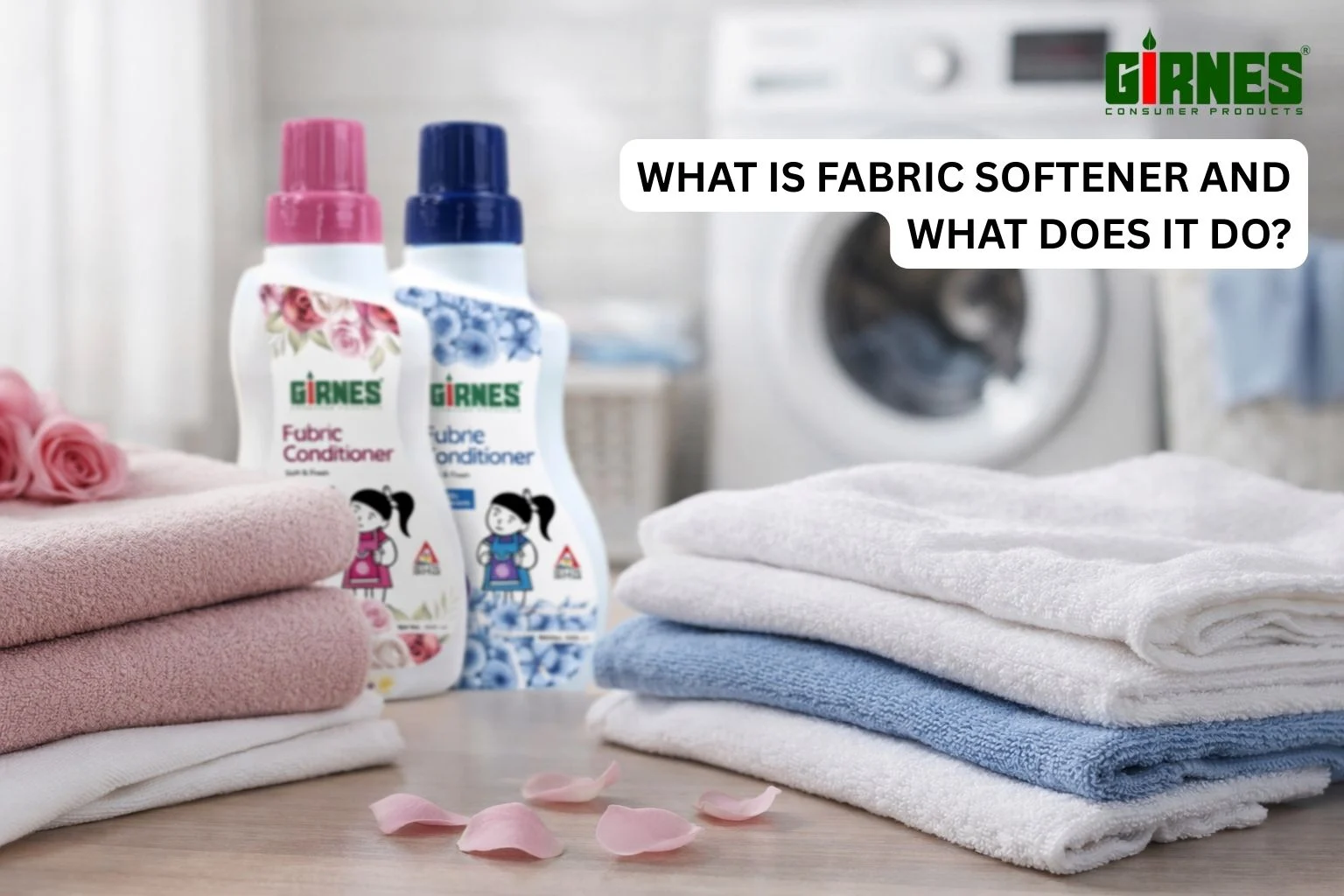
Modern life moves fast, and laundry is no longer limited to simply washing clothes with detergent and water. Today, we expect laundry products to do more—clean fabrics thoroughly, enhance comfort, extend garment life, and improve overall fabric care. One such essential laundry product is fabric softener. It helps improve fabric texture, adds a pleasant fragrance, and protects clothes from damage caused during the washing process. This guide explains what fabric softener is, how it works, and its key uses and benefits.
What is Fabric Softener?
The fabric softener is a type of laundry product that is clever in improving not only the textures but also the shapes and the general characteristics of the washable fabrics. The softeners can interact with the material as their ions will get attached and deposited on them making the fibers smoother and silkier. These qualities will subsequently be transferred to the garments making them pleasant to touch and comfortable.
Understanding Fabric Fibers
During the washing process, fabric fibers undergo stress due to water minerals, detergents, and mechanical agitation. This stress can cause fibers to stiffen, tangle, and lose their smooth structure. When clothes dry, these damaged fibers often feel rough and uncomfortable.
Role of Fabric Softener
Fabric softeners include cationic surfactants, which are attracted to the anionic groups on the fabric. These substances work by neutralizing the static charges and providing a physically smoother surface to the fibers, thus making garments softer and more comfortable
Types of Fabric Softeners
Fabric softeners are made available in various forms and one of the things that differentiate are:
- Liquid fabric softeners
- Concentrated fabric softeners
- Dryer sheets
- Eco-friendly and plant-based fabric softeners
Liquid fabric softeners are the most popular choice among customers due to their efficiency and level of comfort during the rinse cycle in garments uniformly.
Fragrance and Conditioning
Besides fabric feel and softness, fabric conditioners also help to emit an appealing odor that lasts much longer, which ultimately makes the entire washing process enjoyable.
Where the production capacity of manufacturing facilities is increasing day by day, a lot of customers opt for products made by a Fabric Conditioner Manufacturer in Surat as these manufacturers generally produce Iron formulations that are best suited to Indian water conditions and fabric types.
Uses of Fabric Softener
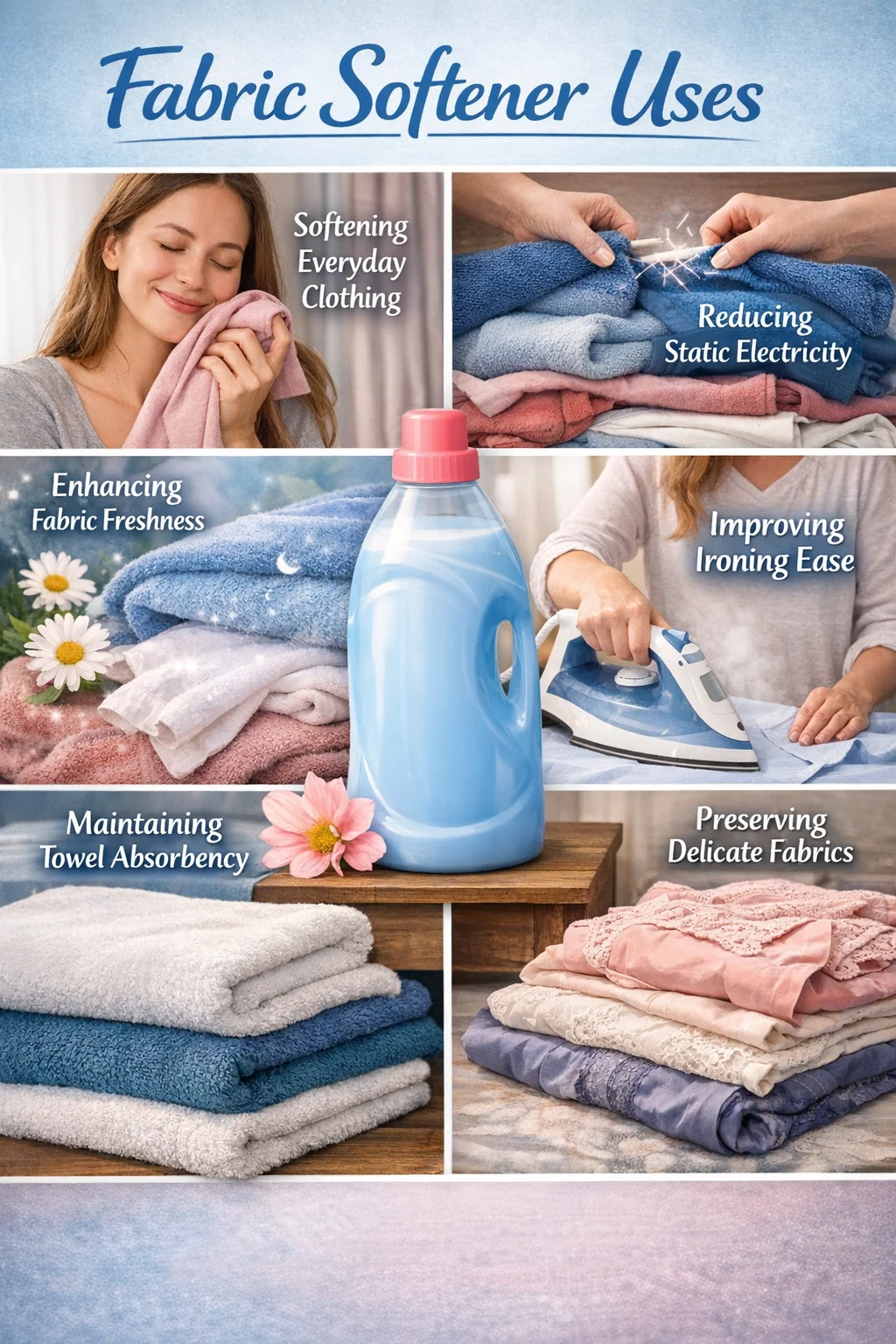
Fabric softener is not just limited to softening clothes. Its uses span various types of fabrics and different laundry needs.
Softening Everyday Clothing
Typically a fabric softener is used to keep a cotton T-shirt or any other everyday apparel skin-friendly by making the fabric quite smooth and gentle. Softening garments are very helpful when it comes to the sensitive skin of children.
Reducing Static Electricity
Synthetic fabrics such as polyester and nylon tend to build static after washing. Fabric softeners help eliminate static, preventing clothes from clinging or crackling.
Enhancing Fabric Freshness
Clothes will not only smell fragrant but have a scent capable of enduring after a long time of being kept without being worn thanks to fabric softeners.
Improving Ironing Ease
When fibers are relaxed it would be a more straightforward and quicker task for the iron to get rid of the wrinkles. Moreover, there won’t be frequent stops to pick up and fold or straighten any areas because the iron will be able to get to the whole of the fabric at once thanks to the fabric softener.
Maintaining Towel Absorbency
Proper use and correct dosing of fabric softeners can help keep towels fluffy and cosy without compromising their functionality.
Preserving Delicate Fabrics
Wool, silk blends, and fine linen are only a few of the delicate fabrics that can take advantage of fabric softeners ‘stuff that is’ can have a positive impact on fiber resilience as well as the surface quality.
Innovative laundry products that suit detergents, washing machines, and various household needs are being developed by a Home Care Products Manufacturer in Surat.
Benefits of Fabric Softener?
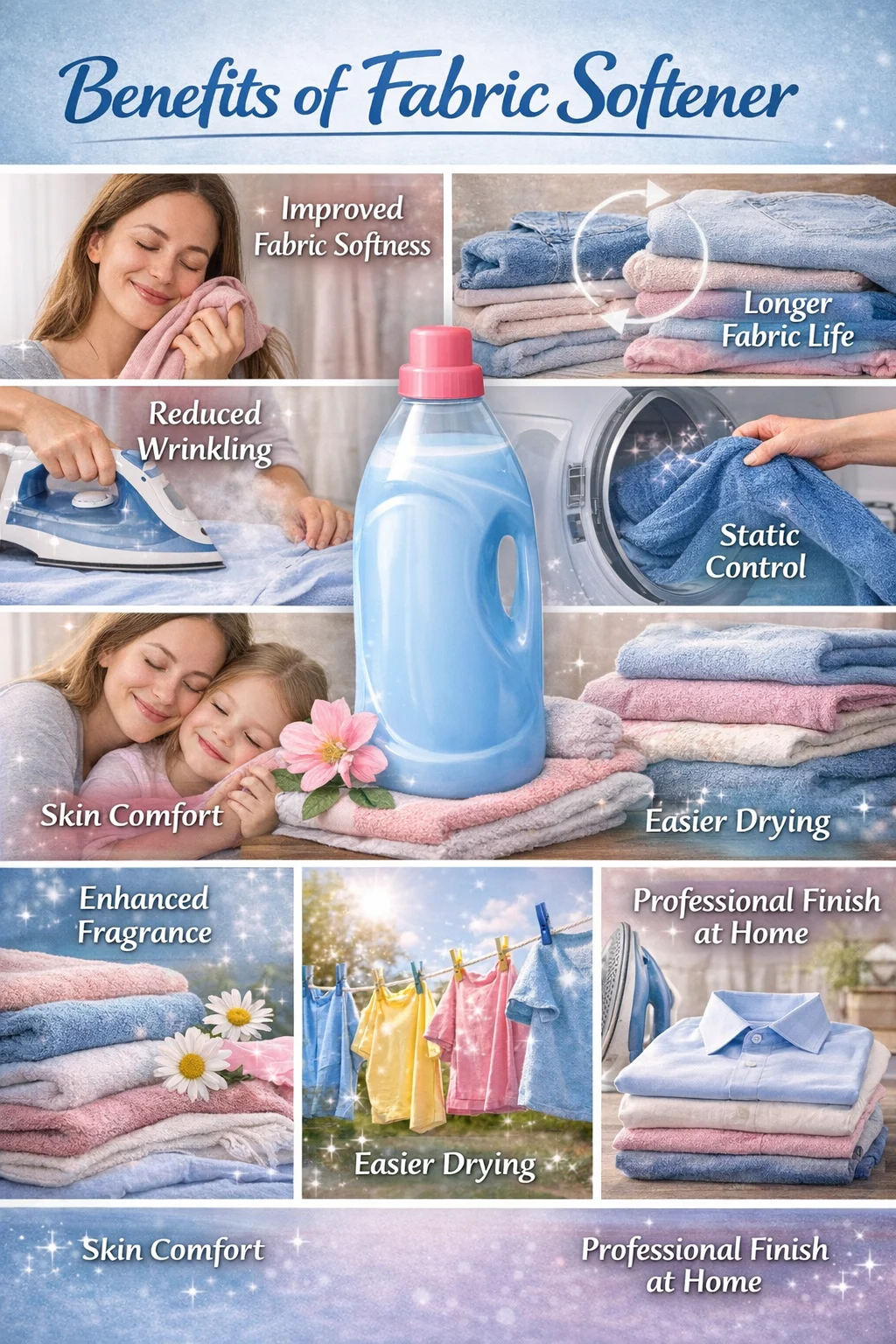
There are lots of issues that fabric softening agents can deal with. Here is the detailed explanation of the main advantages.
Improved Fabric Softness
One of the most noticeable benefits is enhanced softness. Fabric softeners make garments feel smoother, more comfortable, and more luxurious, improving the overall wearing experience.
Longer Fabric Life
Fabric softeners reduce fiber friction during washing and drying. This minimizes mechanical damage and fraying, helping fabrics retain their original texture, strength, and appearance for a longer time.
Reduced Wrinkling
When fibers are well-conditioned, they have less tendency to create folds and creases. Therefore, less wrinkling of clothes will be caused by the drying process, allowing freshly washed clothes to be free from wrinkles.
Static Control
Additionally to fabric softeners, you can banish static electricity from your clothes and fabrics, and in that way, there won’t be any clinging of garments or accumulation of lint or dust on them.
Enhanced Fragrance
Typically fabric softeners are made by seasoned marketers of Home Care Products with the scent component being one carefully chosen to stay on garments for a while offering fresh and clean smell throughout the day.
Easier Drying
Fabric being soft will certainly facilitate the passage of air between the fibers which in turn may contribute a bit to the decrease of time required for drying and thus, the overall efficiency of laundry is improved.
Skin Comfort
Smooth and conditioned fibers cause less friction against the skin, making fabric softeners an excellent choice for people with sensitive skin or mild fabric-related irritation.
Professional Finish at Home
With the help of a fabric softener, personal clothes can be well preserved, be of a professionally laundered quality, and no dry cleaning is necessary to achieve them.
How to Use Fabric Softener Correctly
To get the best results, fabric softener should be used properly and in the right quantity.
Read the Product Label
It would be wise to always check how to use the product and the dosage limits that are mentioned on the packaging.
Add at the Right Time
It is when the rinse cycle is going that you add the fabric softener to get the most effective conditioning, not when you are washing.
Measure the Correct Quantity
Too much of it can make the fabric less absorbent, whereas too little will only make your results less effective.
Avoid Direct Contact
Directly pouring the fabric softener on dry clothes is not a good idea since it can cause stains.
Suitable Fabrics
You should not use fabric softener on water-repellent fabrics, microfiber, or sportswear unless the product indicates that it is compatible.
Fabric Softener vs. Fabric Conditioner
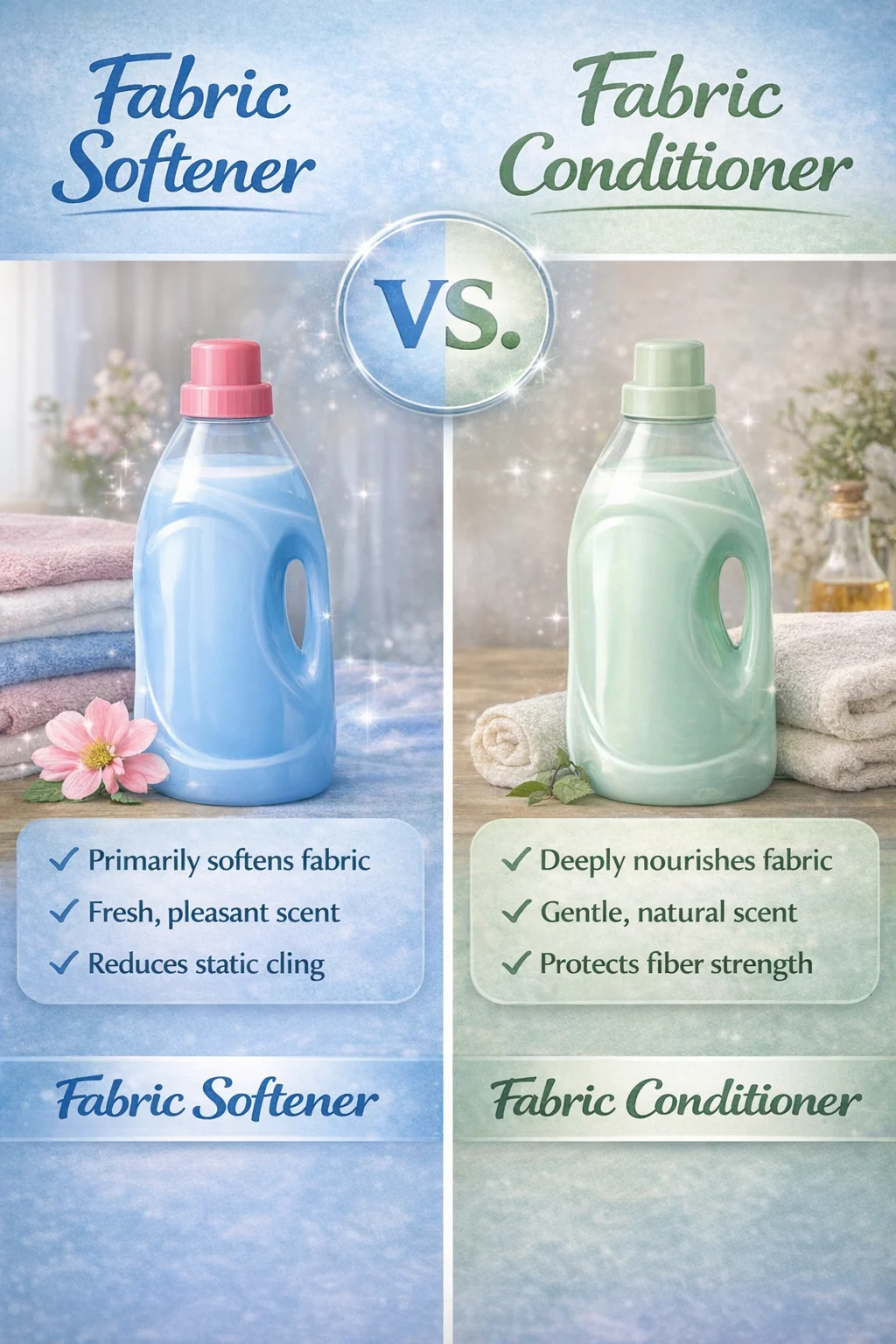
Fabric softeners and fabric conditioners are often used interchangeably, which can lead to confusion. While both products serve similar purposes—softening fabrics, reducing static, and adding fragrance—fabric conditioners are generally more concentrated. This higher concentration allows fabric conditioners to deliver a deeper and more long-lasting conditioning effect, making fabrics feel smoother and more polished after washing.
Choosing the Right Fabric Softener
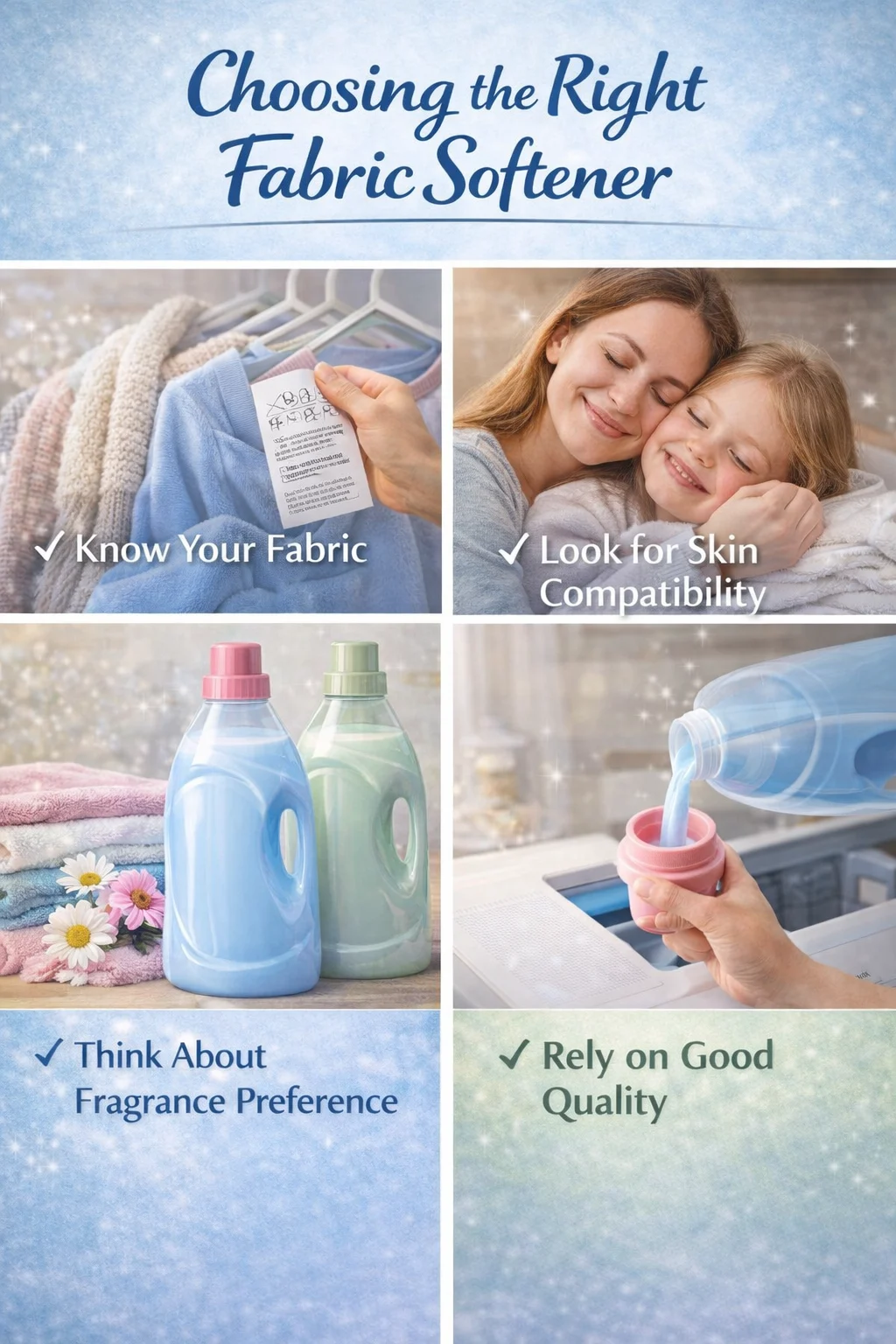
Choosing a suitable product helps achieve the best performance and taking good care of the fabric.
Know Your Fabric
These days, when you wash the laundry, the first thing you should do is to consider if the clothes are delicate fabrics, baby clothes, or heavy cotton garments.
Look for Skin Compatibility
If you are a kind of person with sensitive skin, go only for hypoallergenic and dermatologically tested fabric softener.
Think About Fragrance Preference
Choose the scents suitable for your lifestyle—use a light one for your daily wear, and a strong one for your bedding and curtains.
Rely on Good Quality
Products from the most popular manufacturers are a proof of safety, effectiveness, and consistency.
Looking for a Reliable Fabric Softener Manufacturer in India?
Contact Us from Girnes :-
https://girnes.com/shop/fabric-conditioner-manufacturer/
Conclusion
Fabric softener has become an essential item in modern-day laundry routines. It is capable of making clothes more comfortable, fresher, and more durable. It not only helps in the reduction of static and wrinkles, the improvement of softness and scent, but also conveys benefits at a functional and laid-back level. A fabric softener, if used properly, can safeguard your garments and additionally, it can bring your everyday clothing care to a higher level. Knowing fabric softener, the ways of using it and the benefits it can bring, families will be able to make a wise decision and get wash their clothes that remain as if they were new for a long time after each wash.
FAQ:
Q1: What does fabric softener actually do?
Ans: Fabric softener works by coating fabric fibers with conditioning agents during the rinse cycle. These agents reduce friction between fibers, making clothes feel softer, smoother, and more comfortable. Fabric softener also helps reduce static electricity, minimize wrinkles, improve fragrance retention, and protect fabrics from wear caused by repeated washing and drying.
Q2: Is fabric softener safe for all types of fabrics?
Ans: Fabric softener is safe for most everyday fabrics such as cotton, blends, and linens when used correctly. However, it is generally not recommended for microfiber, water-repellent fabrics, towels (in excess), and performance or sportswear unless the product label specifically states compatibility. Always check fabric care labels and follow manufacturer instructions for best results.
Q3: How and when should fabric softener be used for best results?
Ans: Fabric softener should be added during the rinse cycle, not during the wash cycle, to allow proper conditioning of fabrics. Use the recommended quantity mentioned on the product label—using too much can reduce absorbency, while too little may limit effectiveness. Avoid pouring fabric softener directly onto dry clothes to prevent staining or uneven distribution.
Related Posts :-